Père Daloa: Donations, Online Fame and the Debate on Begging
 ">La Seductrice
Follow on X
Send an email
">La Seductrice
Follow on X
Send an email
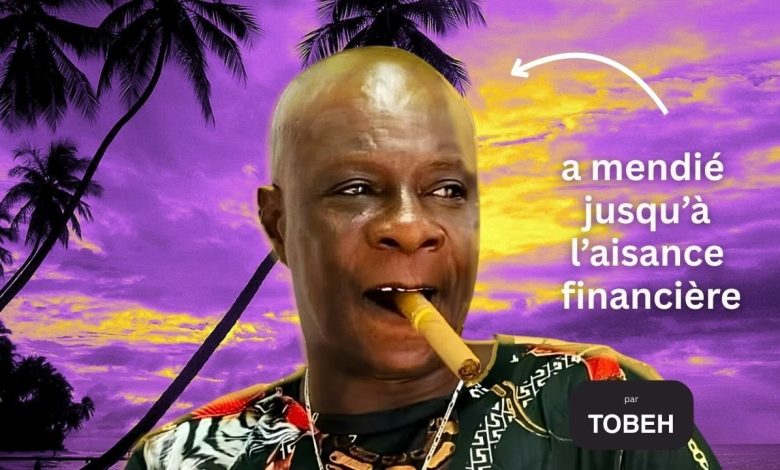
The case of Père Daloa, as presented in a video by Tobeh, raises a sensitive question: where is the line between gratitude toward a benefactor, popular entertainment and asking for money? Having gained visibility on social media through his personality and videos, this man received substantial donations that gradually changed his circumstances. But this exposure has also prompted much criticism.
The video does not merely recount an individual rise. More broadly, it examines practices of showing respect toward elders or wealthy people, as well as how the Internet amplifies them. However, the facts and statements reported in the video are presented through the perspective of its author and the people featured in it.
Popularity born from spontaneous videos
According to Tobeh, Père Daloa began gaining visibility through videos shared online in a fairly spontaneous manner. In them, he displays energy, a zest for life and a way of speaking that quickly found an audience, especially among young internet users.
At that point in his journey, he is described as living with limited means and selling bags to make a living. His positive attitude despite this hardship sparked sympathy. People who discovered him online then wanted to help him, leading to the first donations.
This sequence is central to Tobeh’s account: digital visibility is not only used to entertain or make a personality known. It can also create a direct connection between an audience, potential supporters and a person whose material circumstances move internet users.
Support from Roi 12 and the staging of gratitude
Among the people mentioned in the video is Roi 12, presented as a very wealthy man in Mali. Tobeh notes that estimates of his fortune are unclear, while stating that some people describe him as a billionaire in CFA francs.
Père Daloa received a donation from him which, according to his own statements in the broadcast excerpts, amounted to one million CFA francs. The relationship between the two men then became especially visible. When Roi 12 arrived in Abidjan, footage showed Père Daloa welcoming him in a highly demonstrative manner.
The scene made the videographer uncomfortable. Tobeh particularly criticizes the fact that Père Daloa prostrated himself, kissed his benefactor’s feet and called him a “god.” For the video’s author, this behavior goes beyond a simple expression of gratitude.
However, the person concerned takes a different position in the excerpts shown. He openly acknowledges asking for help and publicly thanks those who assist him. He even describes himself as a “beggar” and compares this approach to artists who mention or sing the names of people with financial means. In his view, receiving a donation from an unknown person would not be shameful.
A debate over the word “begging”
The term begging appears repeatedly in the video. Tobeh believes that what is happening around Père Daloa is not merely admiration or gratitude: he sees it as an openly practiced form of financial solicitation, strengthened by social media.
Other contributors qualify or challenge this interpretation. One of them refers to it as a “profession,” drawing a parallel with griots and artists who publicly celebrate wealthy people. Père Daloa, for his part, seems to reject any portrayal of his behavior as degrading. He argues that he does not steal and does no harm.
The disagreement is therefore as much about the words as the practices. On one side, the video’s author questions human dignity and the actions taken to obtain money. On the other, Père Daloa defends a logic of recognition: according to him, someone who helps deserves to be greeted, honored and publicly thanked.
Donations that transformed his circumstances
Throughout the excerpts, Père Daloa says that he received several forms of help: money, a car, cement and other support intended in particular for construction. He shows a house under construction and names various people he thanks for their contributions.
He also explains that he invested part of the money he obtained in a real estate project. In one sequence, he says he brought several million to a person who allegedly gave him a plot of land in order to begin construction work. Nevertheless, he insists that he saves money himself and contributes to his own projects.
For Tobeh, this material change illustrates the effectiveness of this strategy of exposure and solicitation. The videographer points out that Père Daloa would no longer be selling bags as he had before and that he now appears to be building more. He sees this as a sign that donations, combined with fame, have profoundly changed his living conditions.
Birthday tickets, a contested system
The video then discusses the sale of tickets connected to Père Daloa’s birthday. According to Tobeh, these tickets would theoretically grant access to a celebration. But he claims that the real purpose is not to organize a party, with the tickets mainly serving as a pretext to ask for a financial contribution.
The videographer even reports that one year, tickets were allegedly sold even though Père Daloa was not in Ivory Coast at the time of his birthday. Tobeh presents this claim as evidence that buyers already understood the symbolic nature of their payment.
In the commented sequences, Père Daloa approaches artists, public figures and public officials to ask them to buy several tickets. Tobeh stresses that the number of tickets would mainly correspond to the amount the person agrees to give.
The videographer also criticizes Père Daloa for sometimes adopting an insistent, even aggressive, tone toward certain people who are filmed. In his analysis, these passages reinforce the idea of an activity structured around fame and requests for money.
The split with Roi 12
The relationship with Roi 12 eventually became strained. Père Daloa claims that Roi 12 made him promises, particularly concerning taxis and an amount related to an operation. He reproaches his former benefactor for not honoring certain commitments.
In one excerpt, he says that he paid for his own treatment, mentioning an expense of 700,000 CFA francs. He links his health problem to the episode in which he crawled for Roi 12 and believes that the latter should have contributed to his expenses. These remarks remain his statements as reported in the video.
Tobeh sees this split as a revealing reversal. According to him, Père Daloa, now more financially comfortable and supported by a community, would no longer depend as much on his first major benefactor. The videographer then criticizes him for a lack of gratitude in light of the journey he has made thanks to the donations he received.
What the case of Père Daloa reveals
Beyond his personality, the case of Père Daloa shows how an online presence can turn a personal story into a public phenomenon. The initial sympathy, donations, spectacular thanks and repeated requests all become content likely to circulate and fuel debate.
Tobeh’s video takes a highly critical view of this dynamic, particularly regarding dignity and the use of gratitude as a financial lever. In the excerpts, Père Daloa, for his part, defends a far more pragmatic vision: asking is not stealing, and celebrating a generous person can pave the way for further assistance.
The debate therefore remains open between those who see it as a staged form of begging and those who interpret it as a practice of recognition, promotion and survival. One thing clearly emerges from the account: social media has given these interactions a far greater reach than they would have had off camera.
FAQ
Why did Père Daloa become popular?
According to Tobeh’s video, his popularity came from videos posted online that showed his personality, zest for life and speeches while he was living in precarious circumstances.
What support does Père Daloa say he received?
In the broadcast excerpts, he mentions donations of money, a car, cement and assistance related to his construction projects.
Why does Tobeh refer to begging?
The videographer uses this term because he believes that public thank-yous, solicitations of celebrities and ticket sales are direct efforts to obtain money. Père Daloa does not share this interpretation.
">La Seductrice
Follow on X
Send an email