Rejected Marriage Proposals: What Tobeh’s Compilation Shows
 ">La Seductrice
Follow on X
Send an email
">La Seductrice
Follow on X
Send an email
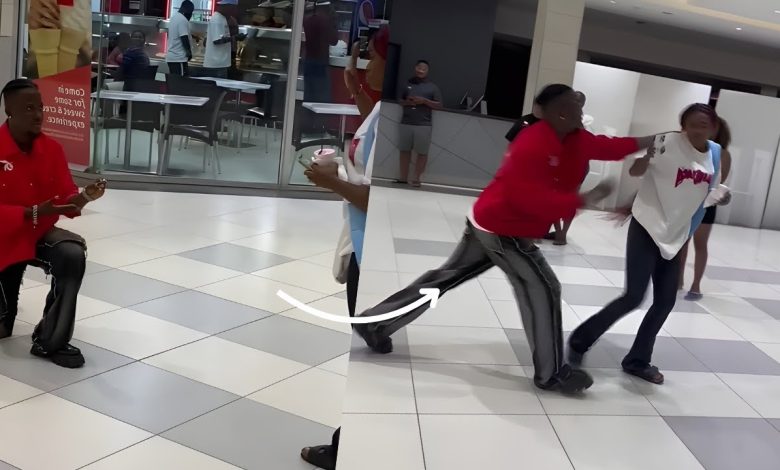
Tobeh’s video brings together clips of marriage proposals, engagements and romantic advances that do not go as planned. The common thread is not just rejection: it is also the way some proposals are staged in front of relatives, colleagues or an audience, with visible pressure on the person being asked.
Through his comments, the creator highlights the discomfort these moments can cause when the two partners are not on the same page. The compilation alternates between aggressive reactions, awkwardness, encouragement from those around them and lighter scenes. Above all, it is a reminder that an answer cannot be imposed by the setting, the crowd or the emotion of the moment.
When a marriage proposal becomes a public scene
Several clips shown in the video rely on the same approach: a proposal made in front of other people. Depending on the scene, it takes place at a wedding, a birthday celebration or in a workplace. The proposer appears to be counting on the element of surprise and the presence of the group to make the occasion memorable.
But this staging can turn an intimate moment into a difficult situation to handle. In one of the segments discussed, a man chooses someone else’s wedding to make his own proposal. Tobeh points out that the woman involved already appears uncomfortable, especially because she is interrupted while speaking. The music starts and attention suddenly shifts to the proposal.
The video presents this scene as a source of discomfort for the person being asked. She does not seem to have to respond only to her partner: she has to do so under everyone’s gaze. In that context, saying yes, saying no or even asking for time becomes more complicated, because every reaction is immediately watched and commented on.
Rejection: a right that those around you should not take away
One part of the compilation particularly highlights the reactions of relatives and friends. During a proposal described as an engagement rather than a marriage proposal, several people encourage the woman to accept. Voices repeat that she can also say no, but the collective insistence remains very present.
This contrast is central to the sequence: the right to refuse is verbally acknowledged while being surrounded by pressure to respond positively. In the end, the woman refuses. The group’s reaction then illustrates the gap between the festive atmosphere built around the event and the actual choice of the person concerned.
The video indirectly recalls an obvious fact: an engagement, a marriage proposal or a declaration of love does not create an obligation to accept. Having prepared a surprise, invited relatives or spent money does not take away the other person’s freedom to respond according to their own feelings.
Reactions that are sometimes hard to understand
Tobeh also comments on clips in which the reaction to a proposal or romantic advance appears particularly intense. In one of them, he feels that the scene seems unnatural and notes that internet users have put forward different theories. However, he does not decide between these interpretations.
This point is important: a short video clip does not always make it possible to know the context, the couple’s history or the exact reasons for a reaction. The compilation is based on isolated footage and commentary. It shows the shock or confusion caused by certain behaviours without necessarily providing all the elements needed to explain them.
In other segments, the tension comes from the proposer’s reaction after a rejection or hesitation. The creator notably mentions aggressive behaviour. Here again, the editing draws attention to a simple issue: a declaration of love or an engagement proposal does not give someone the right to demand an answer that meets their expectations.
Pressure can also come from the workplace or family setting
The video presents another proposal made at a woman’s workplace. According to Tobeh’s commentary, her colleagues begin pressuring her as soon as she shows reluctance. The scene therefore changes in nature: it is no longer played out solely between two people, but in front of a group that takes part in the decision.
The same mechanism appears in sequences where family members or relatives intervene. Their presence may be intended as support, but it can also make a refusal more difficult to express. The person being asked may fear disappointing others, creating awkwardness or being judged, even though their answer should be heard without pressure.
The compilation does not develop the situations beyond what is visible on screen. Nevertheless, it makes it possible to observe how much the environment can influence the atmosphere of a proposal. The more public the scene is, the more space other people’s gaze takes up in an exchange that primarily concerns the two people involved.
Between humour, awkwardness and learning the codes of romance
Not all clips are presented in the same tone. Tobeh also includes lighter sequences, including a scene involving children. The commentary highlights the courage of a young boy who appears to be taking his first steps in expressing his interest in someone else. The tone is then more humorous and affectionate.
This alternation gives the compilation an entertainment dimension. However, the most striking segments remain those in which a public proposal creates a collective expectation. The viewer is invited to watch the reactions, silences, encouragements and rejections, sometimes in a celebratory atmosphere that contrasts with the discomfort felt by the person at the centre of attention.
What stands out from Tobeh’s compilation
The video does not offer an investigation into relationships or a detailed explanation of every situation. It places clips side by side and comments on them in a direct tone. Tobeh makes certain generalisations about African or Black men in his introduction; these reflect his point of view in the video and cannot be used to characterise individuals or groups as a whole.
The main subject that emerges from this compilation is that of the rejected, or feared, marriage proposal in a context of high exposure. Whether it is a wedding, a birthday, a workplace or a family gathering, the presence of an audience can amplify emotions. However, it does not replace either a prior discussion or everyone’s freedom to accept, refuse or not respond immediately.
FAQ
What is Tobeh’s video about?
The video compiles scenes of marriage proposals, engagements and romantic advances that lead to rejection, awkwardness or reactions from those around them.
Why do public proposals play an important role in the compilation?
Several clips take place in front of relatives, colleagues or guests. The video shows that their presence can increase the pressure felt by the person receiving the proposal.
Does the video explain the reasons behind every rejection?
No. The sequences are commented on based on what is visible, but they do not systematically provide the full context or the precise motivations of the people filmed.
Video source: A Tobeh video: When Marriage Proposals Fail in Africa
">La Seductrice
Follow on X
Send an email