Akoua and Yépélé: when the popularity of short-statured women raises questions in Côte d’Ivoire
 ">La Seductrice
Follow on X
Send an email
">La Seductrice
Follow on X
Send an email
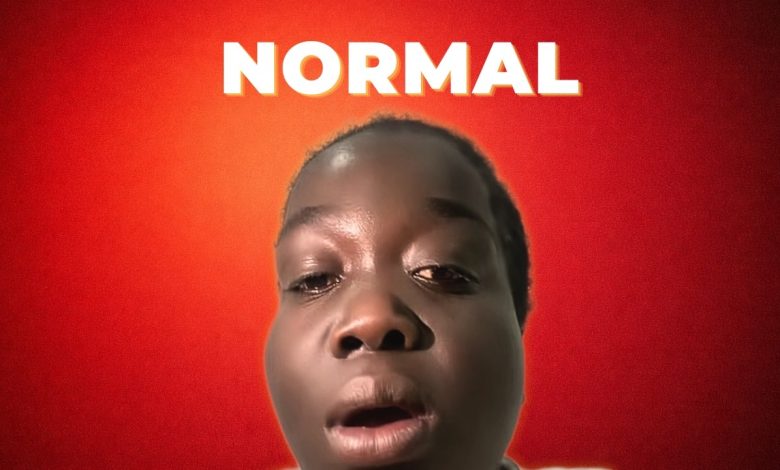
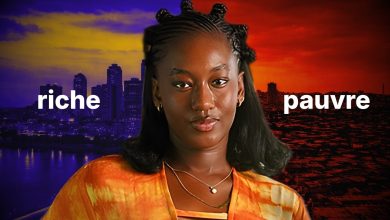
Akoua and Yépélé are presented in a video by Tobeh as two short-statured women who are especially visible on social media in Côte d’Ivoire. Their popularity is not limited to a few viral clips: according to the video, they are approached by brands and appear in advertising content, including on television.
This exposure nevertheless sparks mixed reactions. It highlights their personalities, humour and ability to bring a community together. But it also reveals comments focused on their bodies, as well as a broader question: is the visibility of people with dwarfism in entertainment always respectful of their individuality?
Greater visibility for people with dwarfism on social media
The video begins with the observation that several people with dwarfism in Africa are becoming increasingly popular online. The creator notably mentions the case of Morel, who has already been discussed on his channel, before focusing on Akoua and Yépélé, two Ivorian personalities who have become highly recognisable online.
This visibility is part of an environment dominated by short-form content, live streams and spontaneous clips. The personalities who emerge there are often followed for their on-screen presence, tone, expressions or scenes from their daily lives. In Akoua and Yépélé’s case, the video emphasises that their online worlds and energies appear to be different.
Yépélé is notably associated with an image of joie de vivre. Her nickname is said to come from a video in which she performed a song, content that reportedly made an impression on her audience. The video therefore argues that her fame cannot be reduced to comments about her appearance: her temperament and way of entertaining also contribute to her success.
Akoua and Yépélé, figures followed by brands
According to Tobeh, the two creators have reached a level of fame that attracts advertisers. They reportedly make advertisements broadcast on their TikTok pages and, in some cases, on television as well. The term “stars” is also used in the clips mentioned by the video to illustrate their status among part of the public.
This commercial aspect is important. It shows that their online presence can lead to professional opportunities and give them an active role in the influencer economy. They are not merely watched: they become recognisable faces, able to front campaigns or generate attention for brands.
However, having a large audience does not guarantee that every gaze is kind. The video focuses on some of the reactions these women receive, particularly openly sexualised comments from men. These messages do not always engage with their videos, activities or personalities; they sometimes reduce them to fantasies and their physical appearance.
When popularity comes with hypersexualization
The creator notes that the visibility of some short-statured women appears to fuel sexual curiosity among some internet users. He cites comments which, in his view, express a desire to “taste” them or lust after them, using dehumanising and intrusive language.
This treatment is problematic insofar as it can shift the focus: rather than recognising a creator for her content and journey, the public may favour an exoticised or sexualised representation of her body. The video describes this phenomenon as absurd, while observing that it nevertheless contributes to the circulation of certain content.
Yépélé’s case illustrates this tension. Tobeh acknowledges that internet users frequently comment on her figure. But he also points out that her popularity is rooted in her energy and online identity. This nuance is essential: a public figure can be perceived in multiple ways, without the most persistent or sexualised reactions alone defining her success.
The relationship shown by Akoua on TikTok: entertainment or reality?
The video also mentions TikTok live streams in which Akoua appears with a content creator presented as her alleged boyfriend. The clips reportedly show romantic exchanges, declarations, and scenes of tension or reconciliation.
Tobeh questions the nature of this relationship. He considers the possibility that it may be staged to entertain and maintain public interest, while clarifying that he cannot state this as fact. The scenes observed may give the impression of a real relationship, but the video does not make it possible to determine with certainty what belongs to private life, comedy or a content format.
This caution is necessary. Social media often blurs the line between personal storytelling, performance and audience strategy. Without a clear statement from the people concerned, it is not possible to draw conclusions about their intentions or the reality of their relationship.
The question of exploitation in entertainment
Drawing on these examples, the video opens up a broader reflection on the place of people with dwarfism in entertainment. The issue is not limited to social media: Tobeh also mentions shows, the circus, wrestling and cinema, where roles can sometimes rely on physical difference or on a representation considered degrading.
The creator refers to the Western debate surrounding Peter Dinklage, known in particular for his role in Game of Thrones. He presents him as a critical voice regarding certain roles assigned to short-statured people. However, this position is reportedly not unanimously shared among the professionals concerned: the video reports that some also defend their right to do these jobs and choose the performances they wish to accept.
This divergence serves as a reminder of a simple reality: people with dwarfism do not form a homogeneous group. Some may consider a role or staging offensive; others may see it as work, an opportunity or artistic expression. It is therefore difficult to speak on their behalf or automatically assume how they feel.
Recognising success without reducing people to their difference
In the Ivorian context, Tobeh links the fame of Akoua, Yépélé and Morel to an evolution in representation. He also cautiously mentions an African history of contrasting beliefs and traditions surrounding short-statured people, who have sometimes been viewed negatively and sometimes associated with a form of blessing.
The video’s conclusion does not present current visibility as necessarily negative. On the contrary, access to popularity, partnerships and an audience can constitute a form of recognition. But this development requires continued attention to the conditions under which that visibility is built.
The central point is not to confuse public interest with respect. Akoua and Yépélé can be followed for their humour, style, presence or content without being reduced to their height, their bodies or a role expected of them by internet users. The issue is therefore not to deny their success, but to consider the nature of the reactions it provokes.
FAQ
Why are Akoua and Yépélé known?
According to the video, they gained visibility through their social media content, particularly on TikTok. Yépélé is also associated with her energy and a music video that gave rise to her nickname. They are reportedly also approached for advertising collaborations.
Does the video claim that Akoua is really in a relationship?
No. It mentions live streams with a content creator presented as her alleged boyfriend, but stresses the uncertainty: it could be a real relationship, a staging or entertainment content.
What issue does the video raise about their popularity?
It questions the place of sexualised comments targeting short-statured women and, more broadly, the risk of reducing people with dwarfism to their appearance or an entertainment role.
">La Seductrice
Follow on X
Send an email