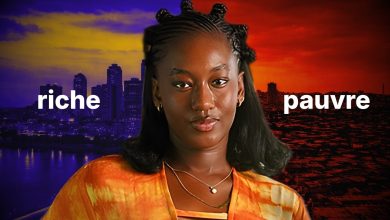
Miss Côte d’Ivoire 2025: The Cyberbullying Faced by Fatima Koné After Her Election
 ">La Seductrice
Follow on X
Send an email
">La Seductrice
Follow on X
Send an email
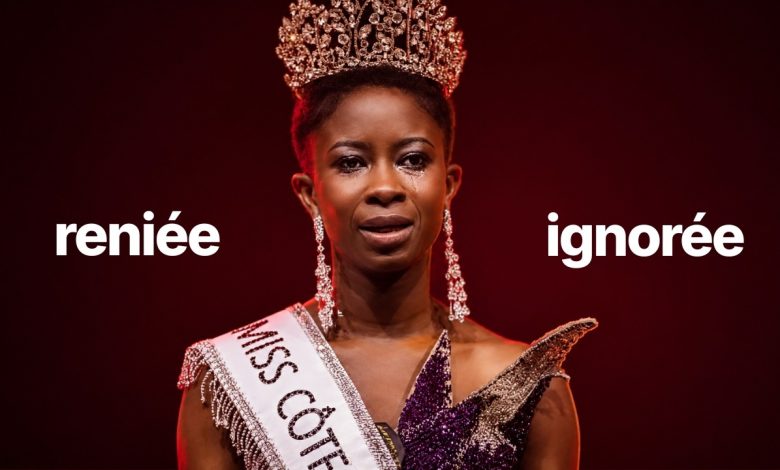
A beauty pageant election is often accompanied by preferences, disappointments, and discussions about the contestants. In the case of Miss Côte d’Ivoire 2025, however, the reactions reported in Tobeh’s video took on a far more troubling scale. Fatima Koné, the winner of the competition, was subjected to repeated mockery, humiliating comments, and hostile content on social media.
The video does not offer a general recap of the competition. Instead, it focuses primarily on how Fatima Koné’s election was received, the cyberbullying she allegedly faced, and the possible consequences of this negative exposure for a young woman who became a public figure overnight.
A Victory Immediately Challenged
According to Tobeh, Fatima Koné was crowned at the Miss Côte d’Ivoire 2025 final, held in June 2025. This edition reportedly highlighted the theme of natural beauty. The content creator cautiously mentions rules or encouragements relating to a more natural appearance, particularly regarding hair and makeup.
Based on the elements cited in the video, Fatima Koné reportedly stood out for wearing relatively light makeup. This consistency with the stated theme was invoked by people defending her election following the negative reactions sparked by her crowning.
But part of the public had another favorite. Tobeh explains that, from the moment the result was announced, signs of disapproval were reportedly noticeable in the venue. Online, the backlash quickly turned into a wave of criticism directly targeting the new Miss Côte d’Ivoire’s appearance.
When Criticism Becomes Cyberbullying
The creator stresses an essential distinction: not preferring a contestant or expressing disagreement with a result does not justify humiliation. In the content she describes, it was no longer simply a matter of comparing finalists. Internet users reportedly shared old videos of Fatima Koné to mock her, while others posted demeaning messages about her appearance.
Some comments reported in the video questioned her ability to represent Côte d’Ivoire. Others used a catastrophic or ironic tone to disparage her election. The content creator describes this collection of reactions as bullying, believing that the term better reflects the violence, repetition, and collective scale of the attacks.
She also reflects on her own position. Tobeh says that she did not personally post hostile messages against Fatima Koné or keep the matter going in her personal conversations. She nevertheless recalls having said in an earlier video that the winner was not her favorite. In her view, even an opinion presented as harmless can contribute to a general climate of rejection when it is part of an episode in which one person is being massively targeted.
Reactions That Went Beyond the Competition
The controversy did not remain focused on the competition’s criteria or the contestants’ beauty. According to Tobeh, some internet users and content creators gave Fatima Koné’s election a political interpretation, associating it with accusations directed at the authorities in power and with identity-related considerations.
The video presents these interpretations as positions expressed by their authors, rather than as established facts. Tobeh also emphasizes the disproportionate nature of this politicization surrounding a beauty pageant. She also mentions that a public vote was reportedly included in this edition, although she does not have the exact figure. According to the information she reports, Fatima Koné allegedly received the majority of the public vote.
This contrast lies at the heart of her analysis: a contestant who reportedly received popular support in the vote then faced online visibility that was, for a time, dominated by hostile content.
Fatima Koné’s Measured Response
In an interview excerpt featured in the video, Fatima Koné discusses the shock caused by the media reactions. However, she explains that she chooses to focus on the positive. She points out that no election receives unanimous support and states that her place is based on her work, merit, training, passion, and faith.
Miss Côte d’Ivoire 2025 describes her participation in the competition as a childhood dream and a personal challenge. In the face of criticism, she says she wants to work even harder to demonstrate that her place is legitimate. Her response does not deny the difficulty of the episode, but seeks to shift attention toward her title and the actions to be taken.
Over the course of her term, Tobeh observes that Fatima Koné gradually resumed a presence on social media and took part in various events. The content creator also notes that comments on certain accounts or posts may have been disabled, in a context where attacks continued to appear in online exchanges.
Questions About the Miss’s Visibility
The video also raises questions about the support provided to Fatima Koné during her term. Tobeh felt that she saw little of her publicly in the first months following her election. However, she specifies that this impression does not constitute proof of any particular treatment: she acknowledges that she does not have in-depth information about the internal organization of the Miss Côte d’Ivoire Committee.
She compares this perception with that of several former Misses, whose visibility reportedly varied over the years. Olivia Yacé, Miss Côte d’Ivoire 2021, is notably cited as a reference figure in the pageant world. Tobeh recalls her great popularity and her journey at Miss Universe 2025, where she reportedly finished as second runner-up, according to the video.
The content creator also mentions a controversy linked to Côte d’Ivoire’s representation at Miss Universe, without presenting direct evidence that would establish the reasons behind the decisions made. She therefore calls for these elements to be viewed with caution rather than turned into definite claims.
A Reminder of the Responsibility of Words
Beyond the Miss Côte d’Ivoire 2025 election, the video raises a simple question: what does the accumulation of negative messages directed at one person produce? Platforms make it easier to express an immediate opinion, but they also enable the large-scale repetition of mockery, comparisons, and personal attacks.
Tobeh reminds viewers that it is possible to hold a strong opinion without taking part in a harassment dynamic. Disliking the judges’ choice, preferring another contestant, or debating the criteria of a competition should not lead to denying a winner’s work or exposing her to public humiliation.
The conclusion is addressed directly to Fatima Koné: her election and the efforts she made to achieve it cannot be taken away from her by online comments. It is a message that puts respect back at the center, at a time when digital criticism can quickly take on a collective and destructive dimension.
FAQ
Why was Fatima Koné criticized after her election?
According to Tobeh’s video, part of the public preferred other contestants. Criticism of the result then drifted into mockery and messages directly targeting Fatima Koné’s appearance.
Did Fatima Koné respond to the negative reactions?
Yes. In the interview excerpt shared, she acknowledges that this period was a shock, while explaining that she chooses to focus on the positive, on work, and on the legitimacy of her journey.
What does Tobeh take away from this controversy?
The content creator believes that words posted online have consequences. She invites people to distinguish between expressing a personal preference and taking part in a smear campaign.
">La Seductrice
Follow on X
Send an email