Why Paying on the First Date Can Be a Chivalrous Gesture
 ">La Seductrice
Follow on X
Send an email
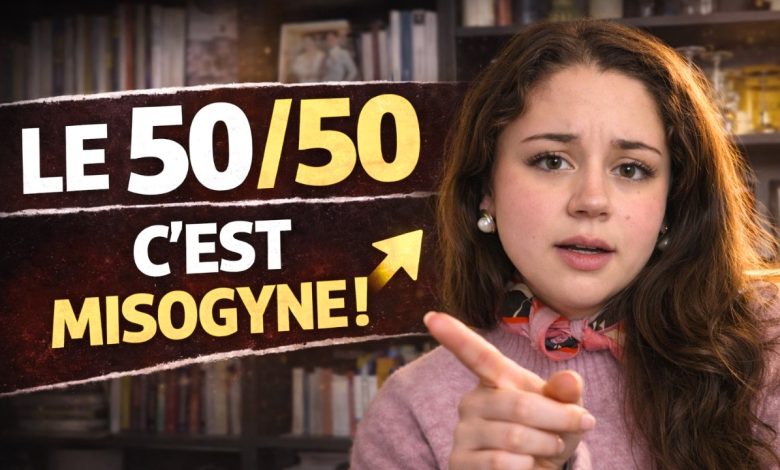
Should you pay on the first date? In the video, the answer is clearly yes, but not to defend a rigid rule that says a man should decide or control everything. The idea put forward is different: covering a drink, a modest meal, or a ride can be a considerate chivalrous gesture, provided it is freely offered and suited to the person in front of you.
Above all, the video encourages viewers not to reduce this issue to the bill. Paying on a first date is presented as a stance: that of a person seeking to create a reassuring setting, willing to make a small investment, and mindful of the other person’s potential constraints.
Chivalry Does Not Necessarily Mean Returning to Old Codes
Chivalry is sometimes associated with grand gestures or a domineering attitude: choosing on someone else’s behalf, imposing the use of one’s own car, deciding how the evening will unfold, or giving gifts that may not actually match the other person’s expectations. The video distinguishes this kind of performance from simpler, more useful gestures.
This analysis can also be compared with Why Some Men Are Afraid of Women: Understanding the Barriers to Moving Forward, which examines this issue in greater detail.
In this approach, being chivalrous first means observing, asking, and adapting. For example, rather than insisting on driving a woman home after a first meeting, it may be more respectful to make sure she knows how she will get home and offer to pay for a taxi. The aim is not to extend one’s presence or create an obligation, but to help her get home in good conditions.
This distinction matters: consideration does not have the same value when it is used to gain power over someone as when it genuinely serves their comfort. The video supports the latter approach, describing it as more elegant, empathetic, and aware.
Understanding the First Date From the Other Person’s Perspective
The video’s central argument rests on a potential difference in experience at the start of an encounter. According to the speaker, a woman who agrees to meet a man she barely knows may arrive with questions related to her safety. She may not know whether she can relax, trust him, or expect the evening to go smoothly.
Along the same lines, Money and Male Worth: Breaking Free from Financial Pressure in Love offers additional insights for understanding the subject.
The transcript also mentions the violence, harassment, and assaults that some women may have experienced or feared. It therefore emphasizes that a first date is not necessarily experienced with the same level of perceived safety by everyone. In this context, practical details matter: the meeting place, how each person gets home, the absence of pressure, and respect for boundaries.
Paying does not, of course, erase these concerns or entitle anyone to anything in return. In the video’s logic, it is simply one signal among others: a way of showing awareness of the situation and a desire to make the encounter easier.
This idea ties into a broader reflection on not trying to convince someone to go out with you. A date should not be obtained or pursued through pressure: mutual interest and respect for the other person’s choice remain the starting point.
The Hidden Cost of Preparing for a Date
The video then emphasizes the social pressure surrounding women’s appearance. It argues that many women devote time, energy, and money to their outfit, hair, makeup, skin, or nails before a date. These expenses and this preparation may be added to the cost of transportation.
To explore this point further, our article on Do You Need Money to Be a High-Value Man? A Discussion About Financial Pressure in Love provides useful context and a broader perspective.
This is not to claim that all women prepare in the same way, nor that these practices are mandatory in every situation. Rather, the transcript argues that there is strong pressure surrounding female desirability and that this context should not be ignored when discussing how to split the bill.
Seen from this perspective, paying for a drink on the first date is not presented as an itemized compensation for preparation. It is a gesture that acknowledges that the other person has also devoted resources to this meeting before it has even begun.
Paying as a Sign of Investment Rather Than a Transaction
For the speaker, the issue is not merely financial. Spending a reasonable amount on a first date represents a “mini-sacrifice”: it indicates that the meeting matters and that one is willing to invest something in it. The video also sees it as a sign of generosity and, to some extent, stability.
This analysis can also be compared with Money, Mental Load and Couples: Why a Man’s Worth Is Not Limited to His Income, which examines this issue in greater detail.
To continue this reflection, our analysis on whether you need money to be a man of value offers additional insight and places this point in a broader perspective.
This view does not mean that a person’s worth is measured by their wallet. On the contrary, the issue should be separated from the idea that a man must have a lot of money to be worthy of loving or being loved. The discussion on money, mental load, and a man’s value within a couple makes it possible to question the equation of income with personal worth.
In the specific context of the video, the point is to make a proportionate gesture: two drinks, a coffee, or an outing chosen according to one’s means. The desired sense of refinement does not come from excessive spending, but from consistency between the invitation, each person’s means, and the respect shown.
Do Not Confuse Generosity With Fear of Being Used
The video also addresses men who fear that a woman will accept a date solely to take advantage of the bill. It argues that people genuinely interested in highly transactional relationships would not be targeting just a few complimentary drinks, but much greater benefits.
To explore this point further, our article on Being the Second Choice in Your Relationship: Understanding This Relationship Fear provides useful context and a broader perspective.
Its message is therefore to avoid making a paid drink the symbol of presumed exploitation. A modest expense should not fuel generalized suspicion, especially if you are not seeking a relationship based on material display or financial dependence yourself.
This fear may sometimes be linked to broader pressure surrounding money and male status. The article on the financial pressure felt by some men in romantic relationships addresses this mechanism: feeling compelled to have a lot can hinder dating and unnecessarily burden the beginning of a relationship.
Adapt the Date to Your Means and Prioritize Clarity
The video reminds viewers that a relationship also involves expenses, without imposing a single lifestyle. If a venue or outing exceeds your means, the most consistent choice is to suggest a date that fits your budget. A coffee, a walk, or a simple activity can be enough if the setting is clear and both people want to be there.
A first date is therefore not a financial test. It is a moment to find out whether the conversation is enjoyable, whether consideration is mutual, and whether each person feels comfortable. To prepare for this moment beyond the question of the bill, these tips for a successful first romantic date usefully extend the reflection.
Ultimately, the position presented in the video is simple: paying on the first date can be a gesture of modern chivalry when it serves neither to control the other person nor to buy their interest. What matters most is showing consideration, respecting the autonomy of the person you are meeting, and choosing an option suited to your own means.
FAQ: Paying on the First Date
Should you always pay on the first date?
The video recommends it as a considerate gesture, but above all emphasizes the intention: offer without imposing, in a setting that fits your budget and without expecting anything in return.
Does paying entitle you to a second date or intimacy?
No. Covering the bill creates no emotional, sexual, or relationship debt. In the video’s logic, it is intended instead to make the date more reassuring and comfortable.
What should I do if my budget is limited?
Choose a simple outing that fits your means. The video’s purpose is not to encourage excessive spending, but to value a modest and deliberate investment.
">La Seductrice
Follow on X
Send an email